
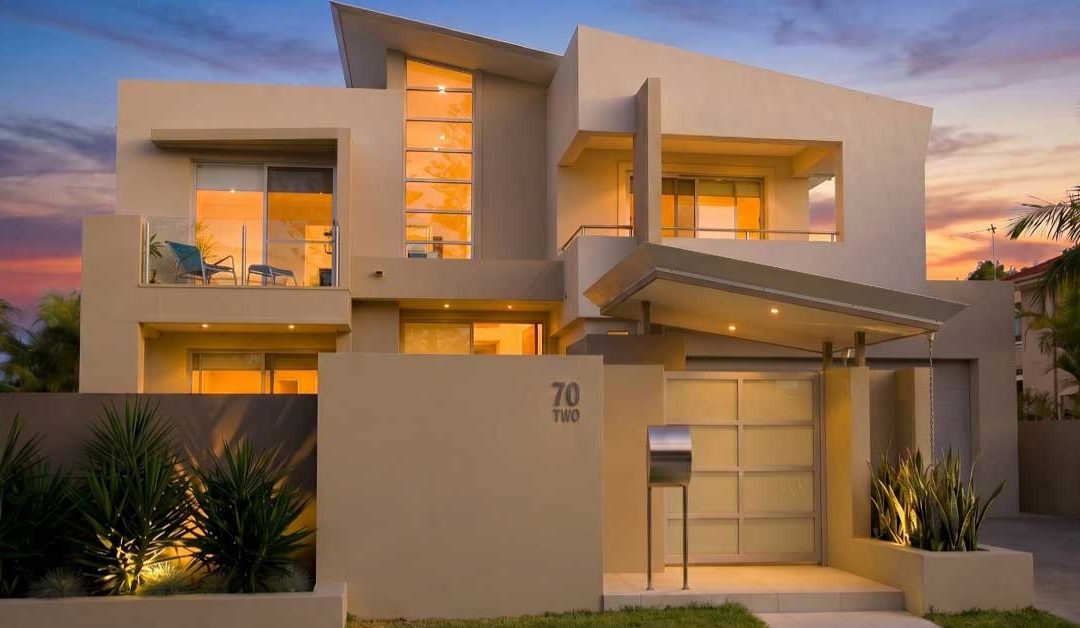
Building a custom home is one of the most exciting projects a homeowner can undertake—but one of the most common questions Clients ask at the beginning is:
“How long will it actually take?”
The answer surprises many people.
While volume builders often promote construction periods of a few months, a genuinely custom-designed home typically follows a much longer and more considered process. In Australia, the complete journey—from initial briefing through to moving in – commonly takes 18-30 months, depending on complexity, approvals, site conditions and construction methodology.
Understanding the timeline upfront helps set realistic expectations and allows for better decisions throughout the project.
How long does it take to design and build a custom home in Australia?
A custom-designed home typically takes 18 to 30 months from first briefing to moving in, covering concept design, council approvals, tendering and construction.
How long does construction take for a custom home?
Construction usually takes 8 to 16 months depending on scale, from around 8 months for a moderate home to 16 or more for a highly detailed architectural residence.
What’s the biggest cause of delays when building a custom home?
Late changes to layouts or finishes are the most common cause, along with site complexity, material lead times, weather and approval processing times.
Can you speed up the custom home design and build process?
Yes, selectively. A clear brief, early budget alignment, timely decisions, comprehensive documentation and early builder engagement all help keep a project on schedule.
Typical Timeline to Design and Build a Custom Home in Australia
Stage 1: Briefing, Site Analysis and Concept Design

Estimated timeframe: 4–10 weeks
Every successful custom home starts well before any formal drawings are produced.
This early stage focuses on understanding how you live, what the site offers, and how the home should respond to climate, views, privacy and future needs.
Typical activities include:
- Initial consultation and project briefing
- Site inspection and analysis
- Establishing budget expectations
- Concept sketches and layout exploration
- Early discussions around planning constraints
- Preliminary sustainability strategies
This stage can move quickly for decisive clients but often extends when families are weighing options or exploring multiple design directions.
Stage 2: Design Development and Documentation

Estimated timeframe: 8–16 weeks
Once a preferred concept is selected, the design becomes increasingly refined.
During this phase your architect develops:
- Floor plans and elevations
- Material selections
- Structural coordination
- Energy efficiency requirements
- Interior and exterior detailing
- Preliminary cost alignment
For larger custom homes or architecturally ambitious projects, this stage may continue over several rounds of refinement.
One of the biggest mistakes homeowners make is rushing documentation. More time invested here generally reduces costly variations during construction.
Stage 3: Council Approvals and Certification

Estimated timeframe: 2-6 months
This stage varies significantly depending on location.
Approval pathways may involve:
- Planning approval (where required)
- Development Application (DA)
- Building approval or certification
- Consultant reports
- Engineering documentation
Local authority processing times can have a major influence on project duration.
Homes involving overlays, character controls, steep sites, bushfire requirements, flood constraints or complex neighbourhood approvals may take considerably longer.
In South East Queensland and the Gold Coast region particularly, early consultant coordination can often reduce approval delays.
Stage 4: Tendering and Builder Selection

Estimated timeframe: 4–8 weeks
Once documentation is complete, builders are invited to price the project.
This phase includes:
- Builder selection
- Tender assessment
- Scope clarification
- Value management (if required)
- Contract finalisation
Custom homes rarely proceed exactly as initially priced, so allowing time for refinement creates better cost certainty before construction begins.
Choosing the right builder can have more impact on timeline outcomes than almost any other decision.
📌 Want to know how Lea Design Studio approaches the stages outlined above?
Visit our architectural services page.
Stage 5: Construction of the Custom Home

Estimated timeframe: 8–16 months
Construction duration depends heavily on scale and complexity.
Typical timeframes:
- Moderate custom home: 8–10 months
- Large custom residence: 10–14 months
- Highly detailed architectural home: 12–16+ months
Construction typically includes:
Site preparation and foundations
2–6 weeks
Structural framing and roof
6–10 weeks
Services and enclosure
6–10 weeks
Internal fit-out and finishes
10–20 weeks
Final detailing and handover
2–6 weeks
Many homeowners underestimate the time required for finishes, joinery, specialist trades and procurement of custom materials.
The final 10% of construction often takes longer than expected because detail and coordination increase significantly.
What Causes Delays When Building a Custom Home?

Even well-managed projects can experience delays.
Common causes include:
Client decision changes
Late changes to layouts, finishes or specifications can create cascading delays.
Site complexity
Steep sites, difficult access or poor ground conditions may affect construction sequencing.
Material lead times
Imported stone, custom glazing, specialist joinery and bespoke fixtures can extend programs.
Weather conditions
Extended rainfall periods can affect excavation, concrete and external works.
Labour and trade availability
Specialist trades continue to experience varying availability across Australia.
Approval delays
Incomplete documentation or consultant coordination often adds unnecessary time.
Can You Speed Up the Process?
Yes—but selectively.
The fastest projects usually share several characteristics:
- Clear project brief from the outset
- Early budget alignment
- Timely decision-making
- Comprehensive documentation
- Early builder engagement
- Minimal design changes after approvals
Speed should never come at the expense of planning.
A custom home is not simply a construction project—it is a long-term investment in how you live.
📌 Want to know the latest Australian Residential design trends?
Is Building a Custom Home Worth the Extra Time?

For most homeowners building a one-off residence, the answer is yes.
A custom-designed home allows you to respond to site conditions, maximise natural light and ventilation, create spaces that suit your lifestyle and deliver a result that feels uniquely yours.
The additional time invested in design and planning often produces better construction outcomes, improved functionality and fewer compromises.
Final Thoughts
If you’re planning a custom home in Australia, expect the complete process—from first meeting to moving in—to take approximately 18–30 months.
While that may initially seem longer than expected, the most successful homes are rarely rushed.
Good architecture takes time, thoughtful decisions and careful coordination.
And when done well, the result is a home designed not just for today – but for decades to come.
You might also be interested in...
7-Star Gold Coast Homes: Stay Cool, Live Smarter
All new homes built in Australia must meet a 7-star energy rating. Here’s what that means for Gold Coast homeowners – and how smart design makes compliance straightforward.

Sustainable House Demolition Australia Best Practices
Learn sustainable house demolition practices in Australia. Discover how to recycle 90% of building materials.